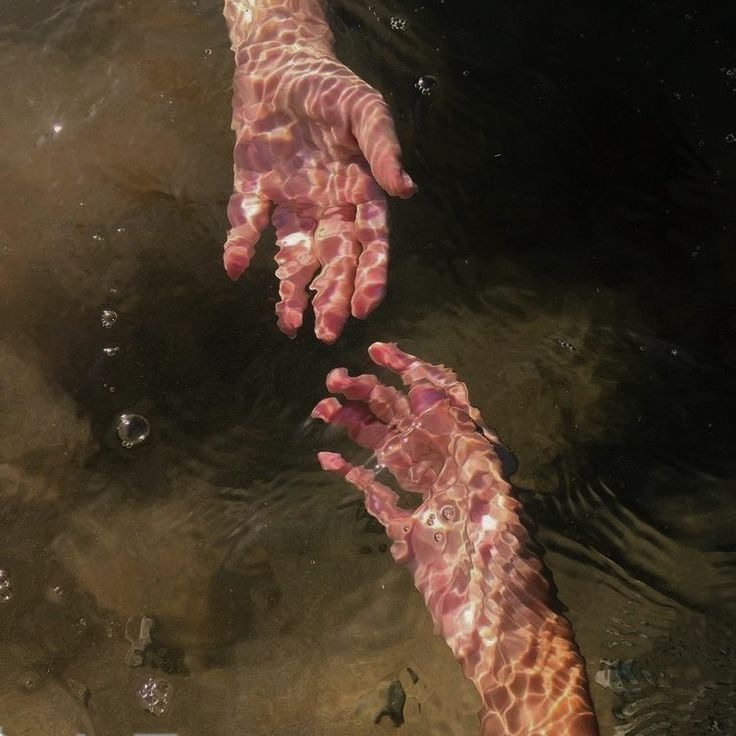
Friendship silenced by war, scars from a shattered home, burdens too heavy to bear – can anything remain of their girlhood?
LOGLINE
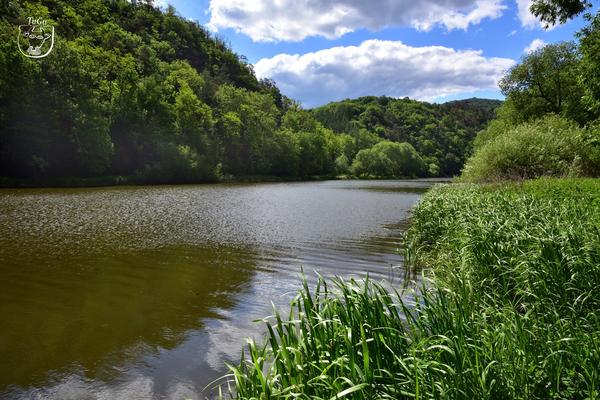
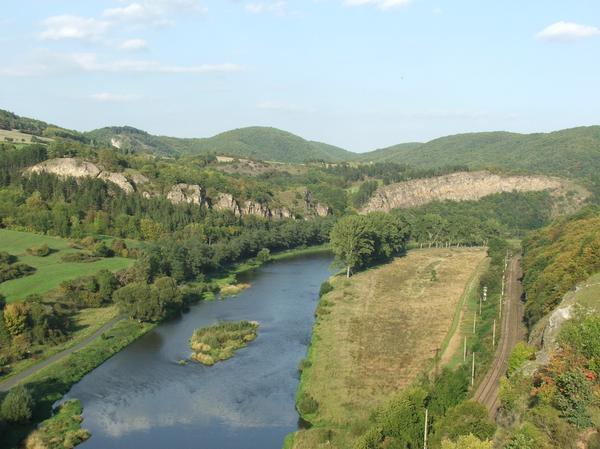
September 2023. After a missile strike hits her school in Kharkiv, 16-year-old Maria visits her former classmate Oksana in Prague, who has grown distant since moving away. A trip to the river with Oksana and her Czech friends becomes a quiet confrontation with what both girls have lost. A lyrical coming-of-age story about war’s invisible wounds.
SYNOPSIS
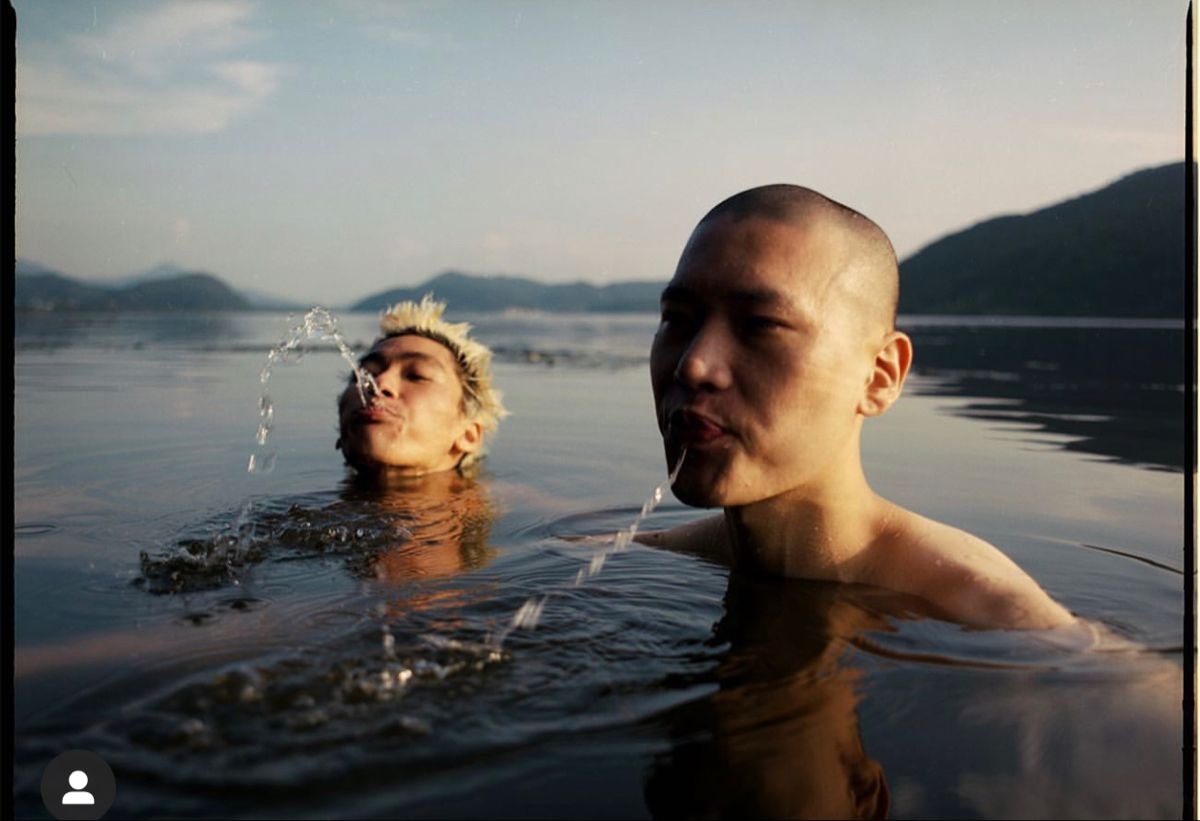
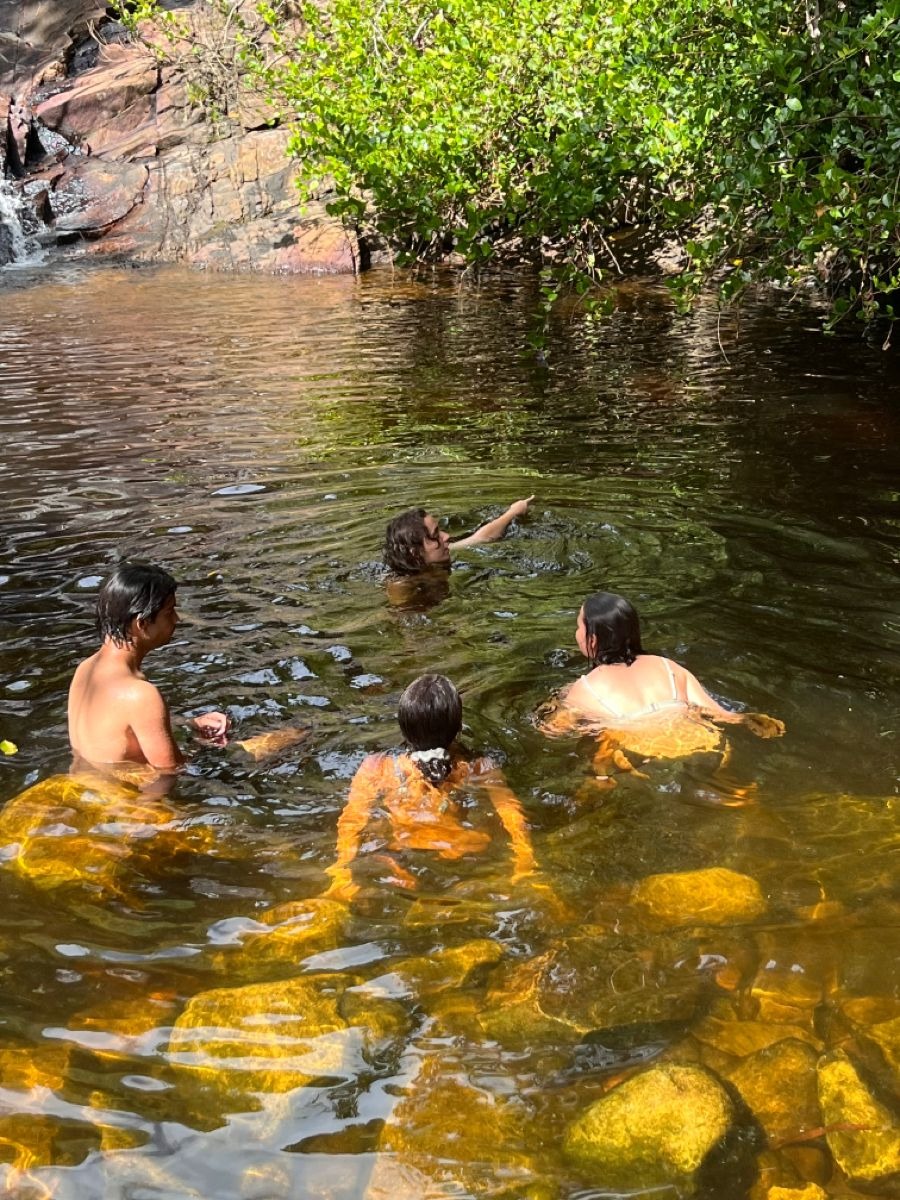
A group of teenagers spend an autumn day by the river near Prague: two Ukrainian girls - Maria and Oksana, and Oksana’s Czech friends. Once inseparable, Maria and Oksana now live very different lives. Maria has left Kharkiv for a week after her school was hit by a drone, carrying a copy of her father’s military badge as a reminder of home. Oksana, already settled in Prague with Czech classmates and a boyfriend, seems distant and detached
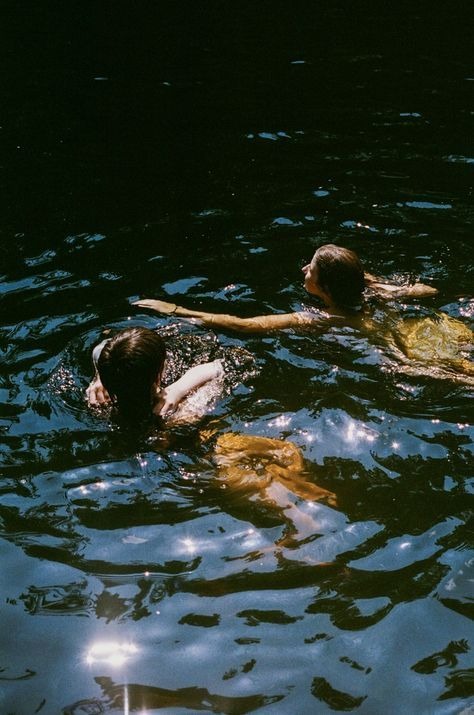
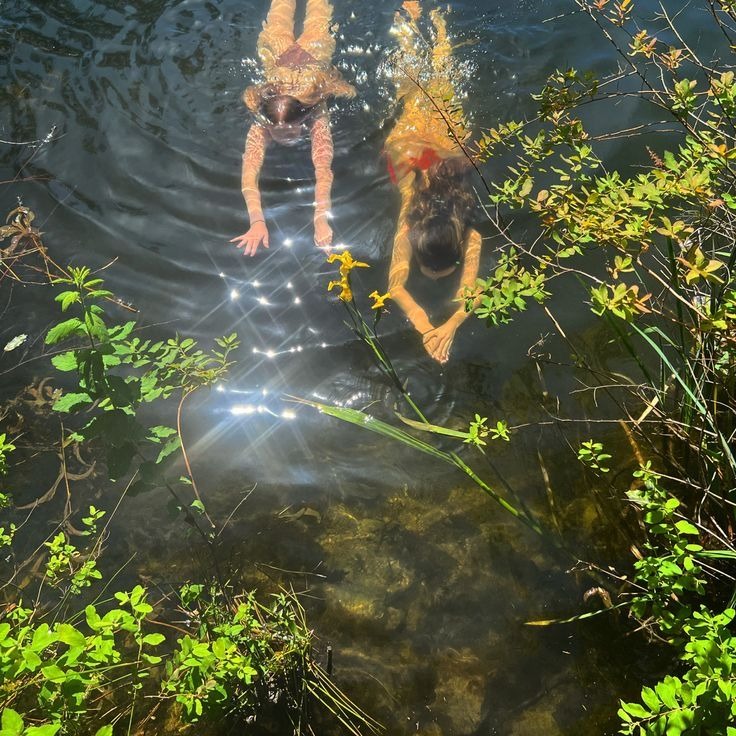
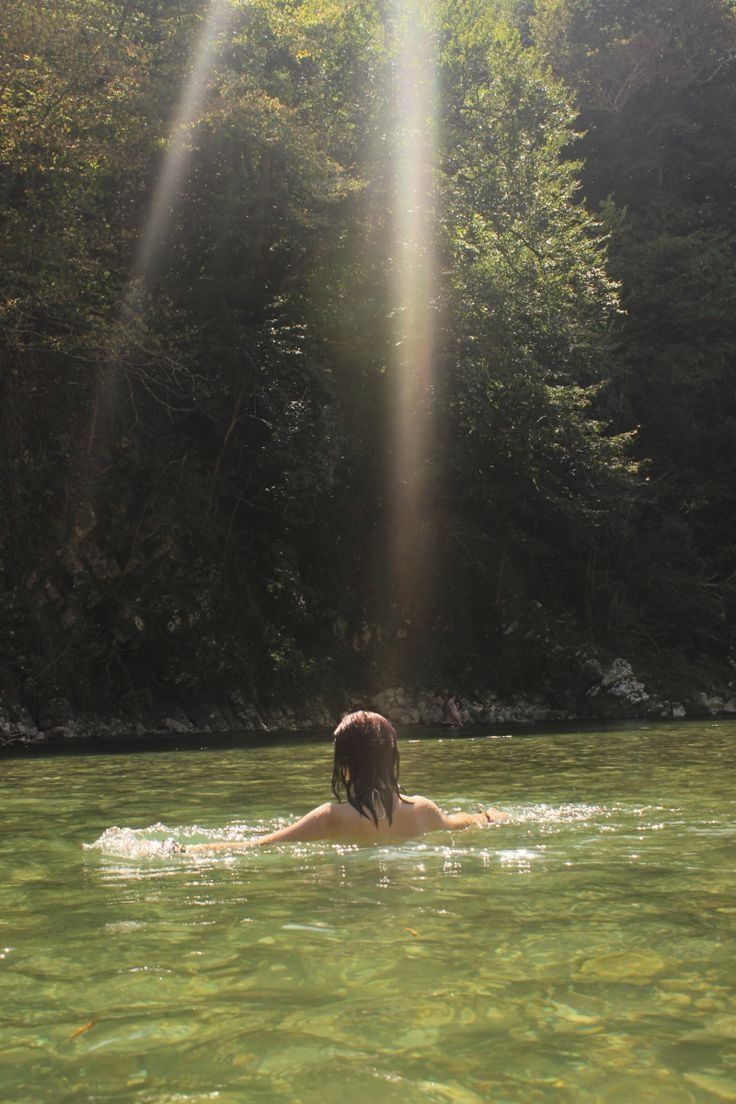
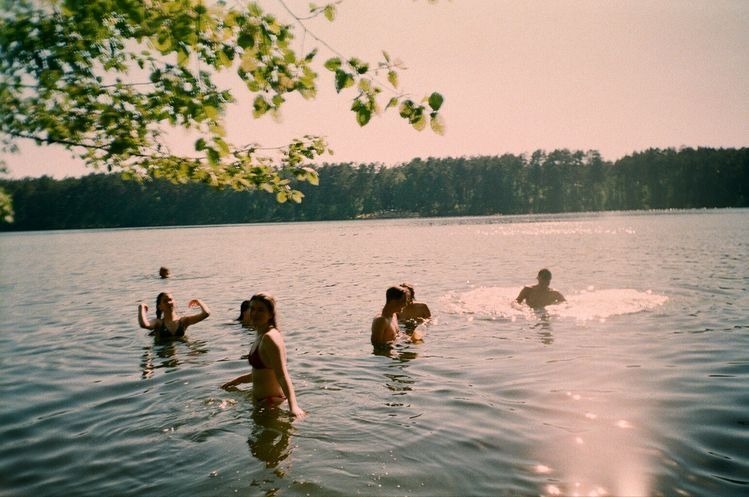
As Maria struggles with post-traumatic stress and a language barrier, she finds unexpected kindness in Lenka, one of Oksana’s friends. The warmth of their growing bond contrasts with the coldness between the two former best friends. While swimming together in the river, Maria gradually opens up to Lenka, easing the weight she carries.
Tensions rise when Oksana discovers that Maria has been hiding the truth about her father going to the frontlines. In the confrontation that follows, Maria forces Oksana to confront the harsh realities of war from which she has long tried to escape.
Shortly after, Maria receives devastating news: her school in Kharkiv has been destroyed for good. With her parents promising to join her only once the war ends, she must now begin a new life in Prague.
As the group sings Czech songs by the river, Maria quietly approaches them. Oksana receives a message from her mom about Maria’s news. Something shifts between the girls. When asked about a Ukrainian band, the girls decide to sing one of their songs — to join their voices once more — a fragile moment of reconnection, loss, and belonging.
Maria (16) is a quiet, introspective Ukrainian girl from Kharkiv whose school was hit by a drone just days before she left for Prague. She uses Instagram to share fundraisers for Ukrainian defenders, including her father's battalion, and Letterboxd to write about films as if they were diary entries. Cautious by nature, she often hesitates before expressing herself, as though each word might carry unintended weight. She’s afraid of missteps — of saying the wrong thing, of being too much.
Maria has never been in love and insists she’s too young for it, though part of her secretly wonders what it would feel like. Once, she had a quiet crush on a boy from her class, but he left the same year Oksana — her best friend and only real confidant — moved to Prague. Since then, her world has narrowed. Losing contact with Oksana was more than a friendship fading — it felt like losing a mirror.
Coming to Prague, Maria hopes to rewind something — to step back into the friendship they once shared, to pretend, if only for a day, that the war hasn’t changed everything. But Oksana is different: distant, absorbed in her new Czech life. Maria keeps her disappointment to herself.
She shares a deep emotional bond with her mother, while her father — recently deployed to the frontlines — is a constant source of quiet anxiety. The war lives in her body: loud noises make her flinch, sudden movements put her on edge. She suffers from a subtle, internal kind of PTSD — not always visible, but ever-present. When nervous, she instinctively touches the tip of her nose, as if to ground herself.
Despite all this, Maria glows with a quiet curiosity. She doesn’t seek attention, yet she notices everything. She savors fleeting gestures of warmth and tenderness, as if she knows how rare they are. She loves nature — rivers, trees, the quiet rustle of wind through leaves — more than the bustle of any city. Her wardrobe is a kind of time capsule: made up of her mother’s vintage clothes, each piece worn with a sense of inherited memory.
During her time with Lenka — who seems to shine so effortlessly — something opens up in Maria. Not necessarily love in the traditional sense, but a flicker of connection, something she hasn’t felt in a long time: safety, attention, care. She’s not sure what it means, but doesn’t want to let it go.
Lenka (16) is a girl who has lived in Czechia since early childhood. She is Oksana’s classmate and Matěj’s childhood friend. She wears 90s vintage clothes, her nails painted black with a chipped, grungy look. Glitter dots her cheeks, but she wears no other makeup. A devoted coffee lover, she carries her own dripper set and a thermos of hot water wherever she goes — even to the river.
A digital native and social media wizard, Lenka juggles BeReal, TikTok, Instagram, and Snapchat effortlessly, always in tune with the latest meme or viral sound. She’s chatty, quick-witted, and loudly opinionated — especially when nervous, which makes her talk even faster, often oversharing. Lenka makes her own bold, mismatched jewelry and wears each piece with pride, never repeating one.
She secretly resents Oksana for not being "woke enough," yet still defends her fiercely in front of others. Despite her extroversion, Lenka often feels out of place too — a loud girl with strong ideals in a world that often rolls its eyes at both.
When she meets Maria, Lenka is struck by her silence and presence — a quiet that feels both powerful and impenetrable. At first, she doesn’t fully understand Maria’s trauma, but she feels it — the weight of it — and, for the first time, doesn’t know what to say. She tries to offer what she can: kindness, space, a distraction, a moment of lightness. She wants to help Maria feel carefree, even if just for one day.
Jiří (16) is the quiet observer of the group — a classmate of Matěj, Lenka, and Oksana. He’s tall and slightly awkward, with a thoughtful gaze and a dry sense of humor that only surfaces when he feels safe. Jiří is not loud like Ondra, but he goes along with his pranks.
A fan of indie and punk, he almost always has his headphones on. Despite his quiet nature, everyone finds him approachable and easy to be around.
He gets along well with Matěj and respects Lenka, though he often teases her about how “online” she is. He doesn’t know what to make of Maria at first. He doesn’t say much, but when he does, it’s often exactly what’s needed.
Oksana (16) is a Ukrainian girl from a village near Kharkiv, now living in Prague. On the outside, she appears confident — full makeup, trend-chasing clothes, long styled hair, perfectly painted nails. After every meal, she quietly retreats to reapply her lipstick. There’s a sharpness to her look that can feel almost aggressive, but beneath it lies deep insecurity — the kind that comes from being a teenage refugee trying to survive in a foreign world by blending in.
She used to be best friends with Maria. They shared everything back home, but when war broke out and Oksana’s family fled, Maria’s family chose to stay. At first, Oksana felt hurt by that decision. Then she distanced herself. Not out of cruelty, but as a survival instinct. She told herself she needed to move on — to build a new life. That meant speaking Czech, excelling at school. Oksana is dating her classmate Matěj, and integrating fully into her new social circle. She left behind her Ukrainian friends in Prague too, subconsciously trying to bury the parts of her identity that no longer felt useful in her new reality.
Oksana misses home more than she admits — the smells, the language, the freedom to be herself without the pressure to perform. She envies Maria’s courage to stay in Ukraine, though she’d never say that out loud. She resents that envy, just as she resents her own fear of ever going back. Europe feels safe, but that safety comes with a persistent guilt — one she swallows daily, along with the effort it takes to maintain her carefully constructed façade.
When her old school is hit by a drone, Oksana feels a pang of grief — but quickly suppresses it. She tells herself she has a new life now. She didn’t even invite Maria to Prague herself; her mother did. And yet, when Maria arrives, something in Oksana softens — and hardens — all at once. Seeing her old friend is like seeing a version of herself she left behind. It’s easier to keep her distance. Easier to avoid the emotional mess of reconnection.
But Oksana is not heartless — just scared. And when the mask begins to slip, when the weight of what they’ve both lost becomes undeniable — she finds herself at a quiet crossroads: between the girl she’s tried to become and the one she left behind.
Matěj (17) is a calm, thoughtful Czech teenager with a quiet charisma and a curious mind. He’s Oksana’s classmate and boyfriend — though he often feels like he’s orbiting in his own world. Adventure-seeking yet grounded, he approaches life with a mellow detachment, content to observe more than he speaks. He’s not aloof — just introspective.
A budding illustrator, Matěj is rarely seen without his well-worn sketchbook, tucked under his arm or stuffed in a backpack overflowing with loose pages and pencils. He draws constantly — buildings, strangers on the tram, trees reflected in the Vltava — everything but Oksana. After five months of dating, this stings her more than she lets on. To her, it feels like emotional distance; to him, it’s something harder to explain. He sketches what moves him in quiet moments, and Oksana — with her constant energy and performed confidence — is sometimes too much of a whirlwind to capture.
Matěj is a nostalgic soul in a digital world. He carries an old Nokia instead of a smartphone, listens to music on a scratched CD player, and takes photos with an analog camera he inherited from his grandfather. He’s not a Luddite — he plays PlayStation and browses occasionally — but he prefers tools that don’t buzz for attention. His social media is sparse, mostly used for saving visual inspiration, not for posting selfies or chasing likes.
He dresses in baggy oversized clothes, always slightly rumpled, unconcerned with fashion trends. There’s a gentle nonchalance in his demeanor — a feeling that he’s already figured out what really matters to him and doesn’t need to prove it. Matěj doesn’t talk much about his emotions, but he listens closely, especially to those who feel unheard. He’s drawn to complexity and contradiction — which is why when he meets Maria, he notices more than she expects. Her silence isn’t awkward to him; it’s something he respects.
Ondra (17) is loud and foolish — the spark that ignites any group. He turns the smallest moments into comedy bits, cracks jokes, pulls harmless pranks and never stops moving, whether he’s bouncing a ball, climbing trees, or starting a water fight.
His humor can be a little off — especially around girls — but he responds well when called out, especially by Lenka, whom he secretly admires and respects. He is not used to thinking about war, trauma, or displacement, yet when faced with Maria’s quiet presence, even he senses a shift in the atmosphere. Though he doesn't always know how to show it, he cares more than he lets on.
DIRECTOR: Kateryna Kuzminska is a film director and screenwriter from Kyiv, currently living in Prague. In 2024, she completed a bachelor's degree in Multimedia at the University of Economics in Prague. She wrote and directed two short documentary films: Talk to Me (2020) and Barriers of Rationality (2025). For the latter, she received a grant from the Prague City Hall and is currently developing it into a feature-length documentary. She was also selected as a member of the student jury at the My Street Films festival in 2021.
DOP: Filip Knoll is an accomplished cinematographer and creative director based in Prague stretching webs internationaly. With years of experience based on studies at Univerzita Tomáše Bati he has worked on a wide range of projects, including commercials, music videos, TV shows and documentaries. His essence of capturing a story lays in a naturalistic approach but make sure that its not short of stunning and impactful images. The passion for visual storytelling is evident in the wide range of projects he has worked on including award-winning film “Cherries” (2019) and many music videos and TVCs. The list of clients goeas a long way including T-Mobile, Audi, Škoda, Staropramen, Redbull, Pegas, Footshop, Frisco and more.
The shooting is planned for 22-24th of September 2025.
It’s no coincidence that so many series and films are devoted to the theme of adolescence — it’s one of the most challenging stages of life, when the human self is shaped most intensely. They are no longer children, but not yet adults, and they try to find their place in the world on their own. For the first time, they experience love, betrayal by friends, and misunderstanding from their parents. Uncertainty about the future has never felt so sharp.
But when war appears on the doorstep, life stops treating them like children. They have to learn to survive through trauma and loss, to grow up instantly — otherwise, they will break. Suddenly, they face a new kind of choice: to run away or to stay. And each of these choices comes with a heavy price.
Over time, one gets used to it. Only the sound of rockets at night and the news of another bombing remind them of the nearness of death.
I am convinced that the world needs to know what it means to be a teenager during war. What it’s like to live through these events internally, and to try not to lose yourself in the midst of chaos. Is that even possible?
Unfortunately, today’s reality has placed a burden on Ukrainian children that is heavier than one could ever imagine. Some have lost parents and friends, some help to pull the bodies of their classmates from under the rubble. Some no longer have a school to attend — it has been destroyed. With time, the number of tragic stories only grows, while the world’s attention to Ukraine fades. People are tired, they have their own lives and troubles, and it’s hard to blame them for losing interest.
But I believe that we must continue to draw attention, again and again.
This film is not about the bloody consequences of war. It’s not about the screaming pain that bursts to the surface. This film is about inner strength, about resilience, about the fragile — yet powerful — mentality of adolescence. It is about support and understanding, about fears and anxieties. And about whether it is possible to preserve teenage lightness when everything around smells like war.